“Empowering People to Break the Bias Habit”
Dr. Will Cox
Director, Stereotyping and Bias Research Lab
University of Wisconsin-Madison
The Center for the Advancement of Teaching partnered with the Office of the Provost, the Dean’s Council and a group of faculty and staff planners to host a research conference on evidence-informed teaching practices that support the learning of all students. Participation was completely voluntary, but more than 400 faculty and nearly 100 staff representing the College and all graduate and professional schools attended. University of Wisconsin-Madison psychology professor Will Cox presented the keynote session, “Empowering People to Break the Bias Habit” and nationally prominent scholars of inclusive teaching offered workshops on changing classroom culture, building trust, negotiating conflict, cultivating equitable learning, designing engaging courses, incorporating Universal Design for Learning and other topics.
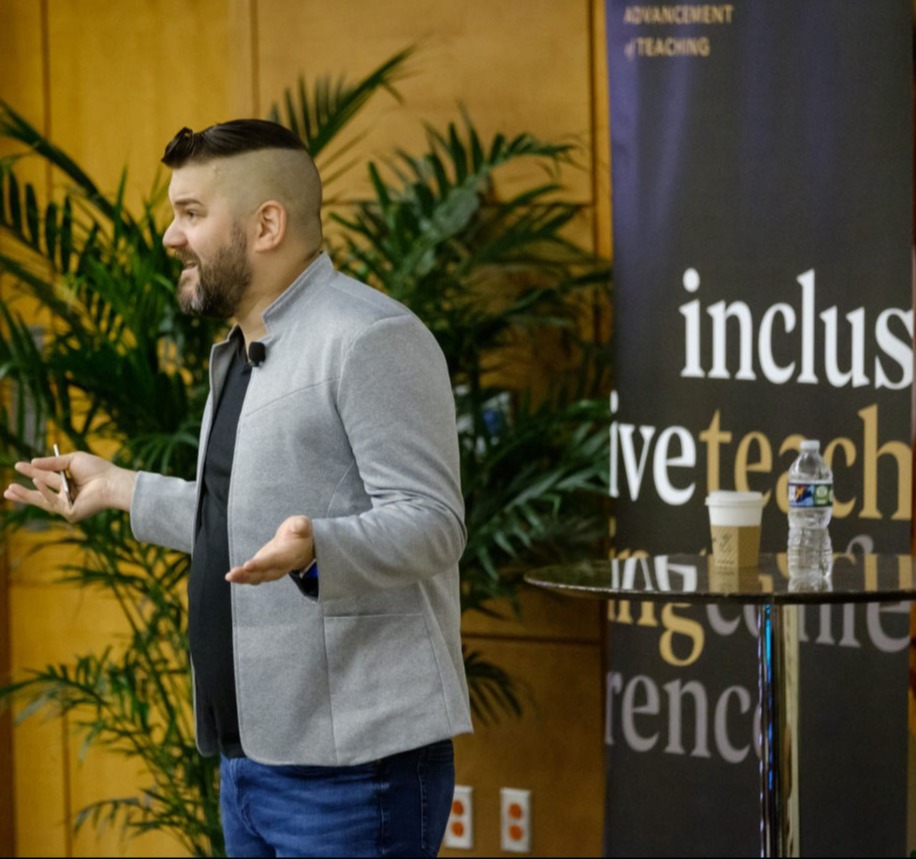
Dr. Will Cox
Director, Stereotyping and Bias Research Lab
University of Wisconsin-Madison

Dr. Talithia Williams
Associate Professor of Mathematics
Harvey Mudd College
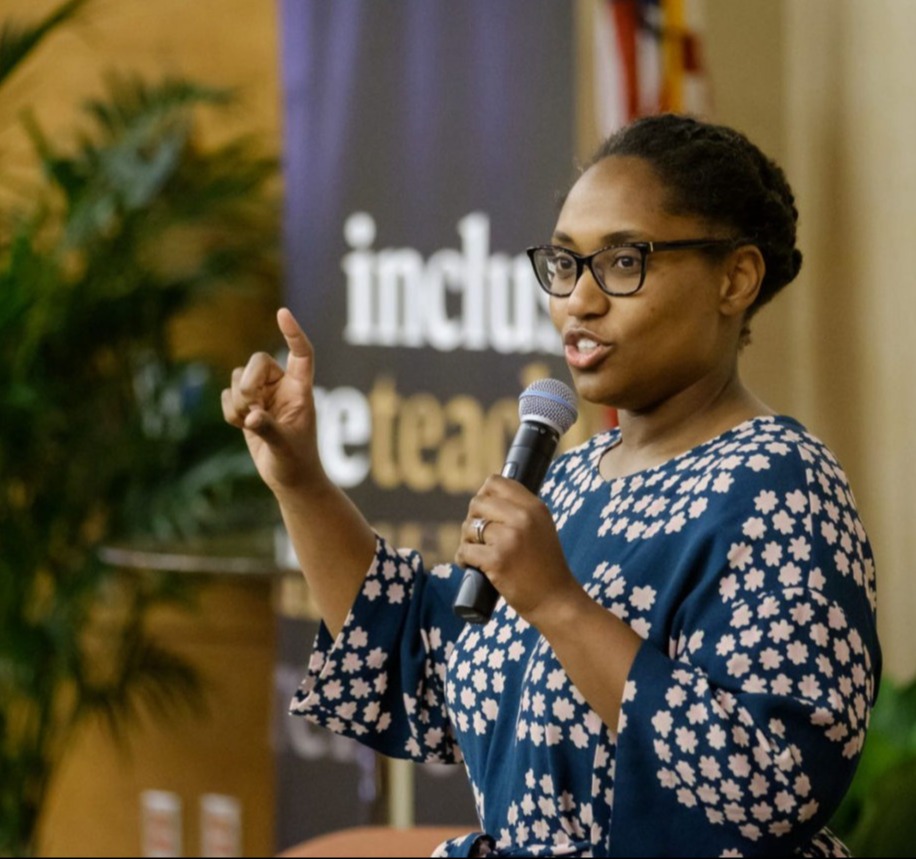
Dr. Marcia Chatelain
Provost's Distinguished Associate Professor of History and African American Studies
Georgetown University
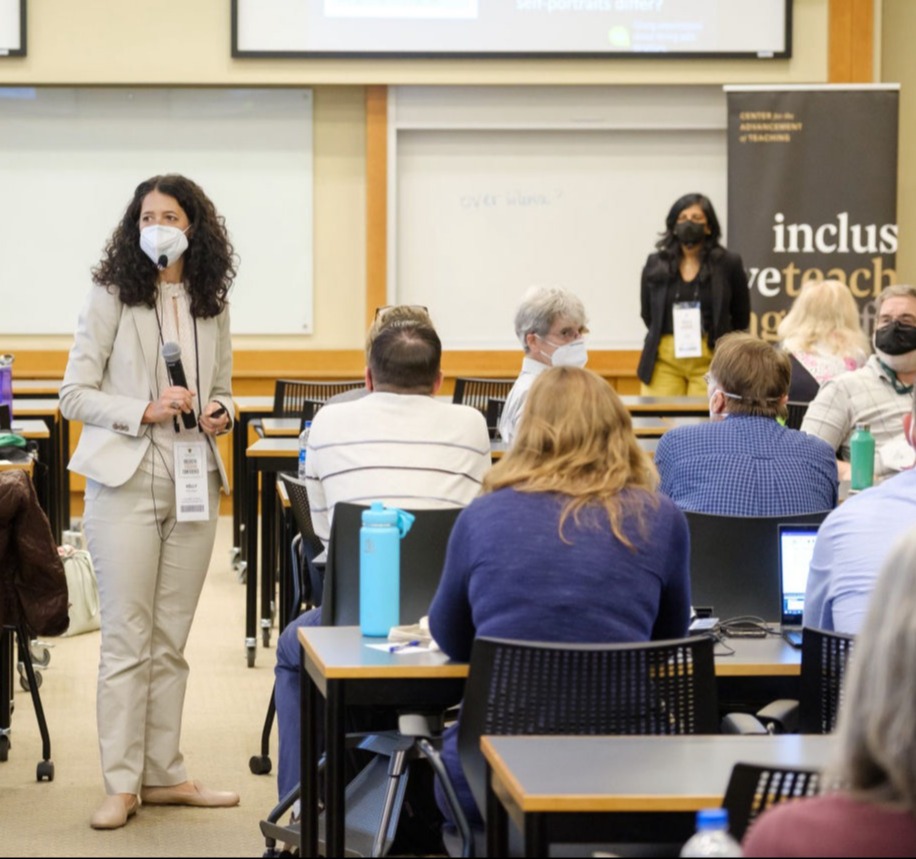
Dr. Kelly Hogan
Associate Dean of Instructional Innovation
STEM Teaching Professor, Department of Biology
University of North Carolina at Chapel Hill
Dr. Viji Sathy
Associate Dean for Evaluation and Assessment
Professor of the Practice, Department of Psychology
University of North Carolina at Chapel Hill
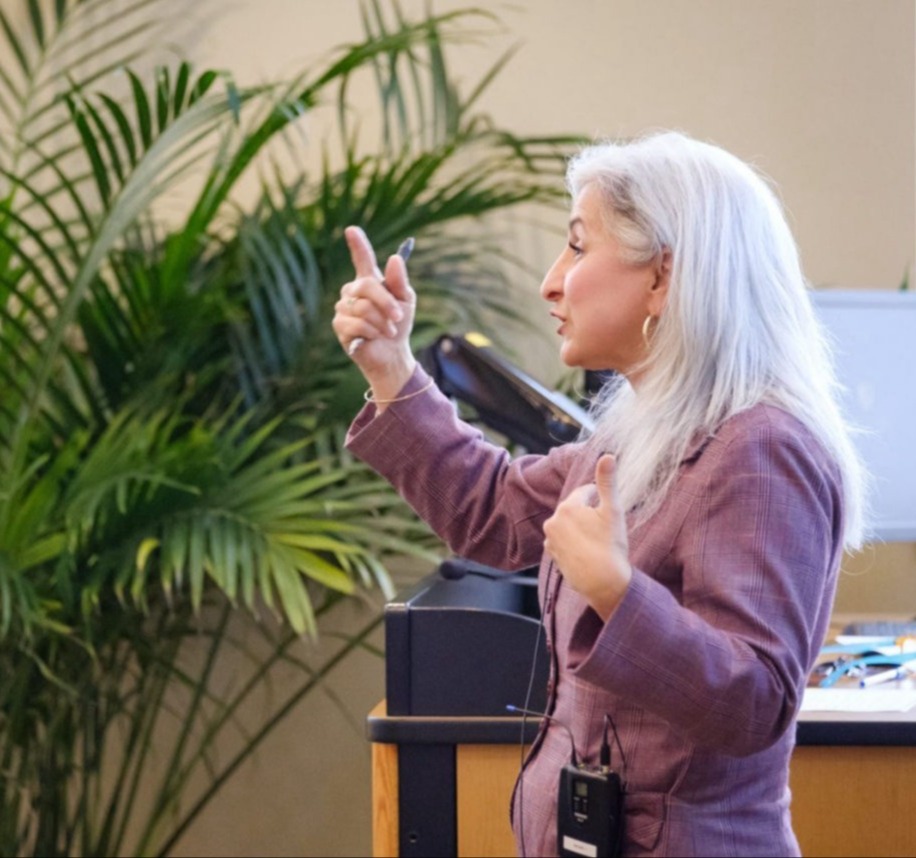
Dr. Pamela Barnett
Dean, College of Arts & Sciences
Professor of English
La Salle University
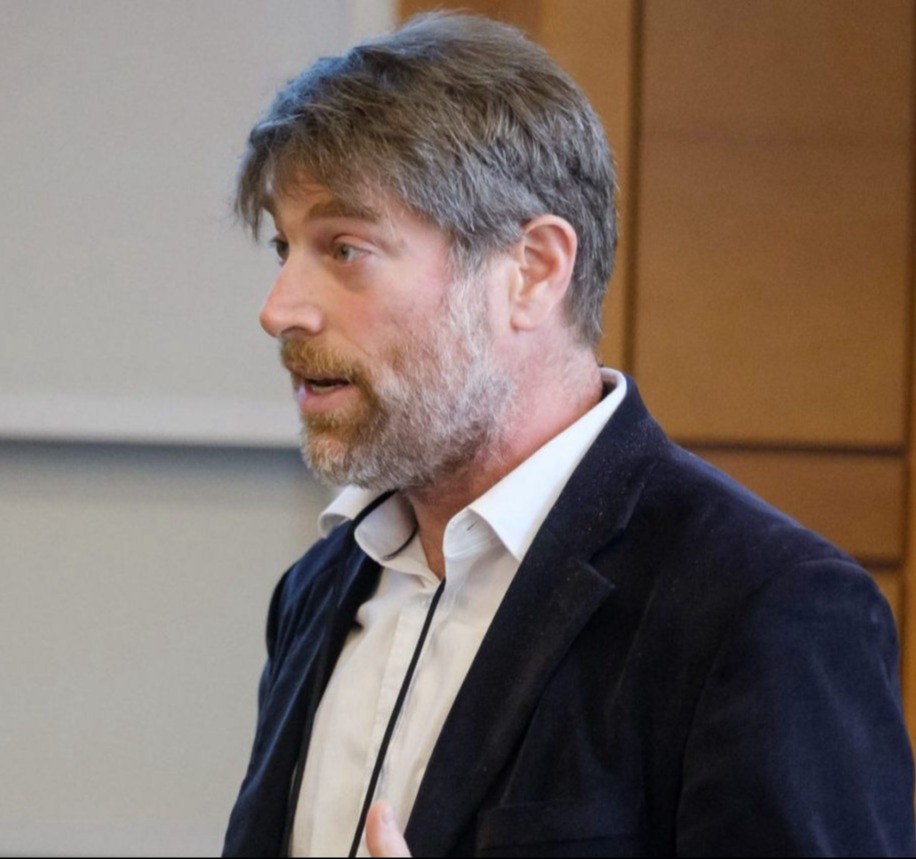
Dr. Adam Rothman
Curator, Georgetown Slavery Archive
Professor of History
Georgetown University
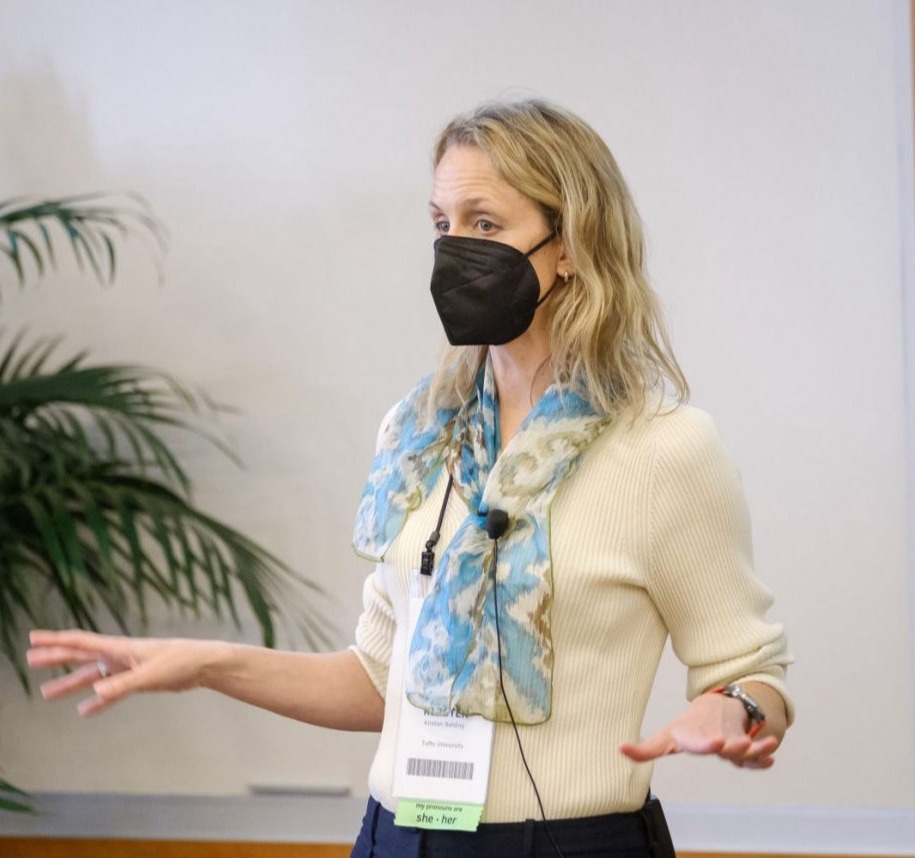
Kirsten Behling
Associate Dean, Student Accessibility & Academic Resources
Tufts University
Thirty-one (31) faculty participated in our 2021-22 New Faculty Learning Communities. These year-long programs support our colleagues who are new to the Wake Forest community. All new faculty in their first or second year at WFU are encouraged to apply. The goals of the program were to: 1) connect members with the WFU community, CAT, and also each other; and 2) enhance their efficacy as new faculty members. Participants met every three weeks throughout the fall and spring semesters to explore career aspirations and evidence-based teaching practices and support each other’s efforts in the completion of a scholarly project. Discussions were guided by the books, Small Teaching: Everyday Lessons from the Science of Learning and Shaping Your Career: A Guide for Early Career Faculty.
Emma Best, Assistant Teaching Professor (School of Business)
Alex Brewer, Assistant Professor (Sociology)
Keita Christophe, Assistant Professor (Psychology)
Tricia Clayton, Associate Professor (Engineering)
Crystal Dixon, Assistant Professor of the Practice (Health & Exercise Science)
Brenda Gibson, Associate Professor (School of Law)
Hannah Harrison, Assistant Teaching Professor (English)
Peter Knapczyk, Assistant Professor (Middle East & South Asian Studies)
Derek Lee, Assistant Professor (English)
Sarah Morath, Associate Professor (School of Law)
Andrew Proctor, Assistant Professor (Politics & International Affairs)
Keith Robinson, Professor (School of Law)
Siddharth Srikanth, Assistant Teaching Professor (English)
Andrew St. James, Assistant Teaching Professor (Biology)
Tess Wise, Assistant Professor (Politics & International Affairs)
Tara Baldrick-Morrone, Visiting Assistant Professor (Department for the Study of Religions)
Carter Berry, Visiting Assistant Professor (Biology)
Jessica Chandras, Visiting Assistant Professor (Anthropology)
Jonathan Dellinger, Adjunct Assistant Professor (Communication)
Jonathan Dixon, Visiting Assistant Professor (Philosophy)
Ashley Givens, Adjunct Assistant Professor (Art)
Zachary Hayes, Visiting Assistant Professor (Spanish)
Leah Haynes, Visiting Assistant Professor (English)
Allison Kim, Teacher-Scholar Postdoctoral Fellow (Art)
Thomas Kindred, Teacher-Scholar Postdoctoral Fellow (Mathematics)
Lauren Mark, Teacher-Scholar Postdoctoral Fellow (Communication & Program for Leadership & Character)
Scotti Norman, Visiting Assistant Professor (English)
Brittnie Peck, Visiting Assistant Professor (Communication)
Luca Provenzano, Visiting Assistant Professor (History)
DeOnna Reliford, Visiting Assistant Professor (Spanish)
Miller Wright, Visiting Assistant Professor (History)
May 17-20, 2022, the CAT hosted an in-person, intensive course design institute for faculty interested in designing or redesigning a course. Participants worked with colleagues from across the University and engaged in a variety of activities including workshops, peer review sessions, 1-on-1 consultations with CAT team members, and individual work time. Homework was also required between each session. The institute was designed to get faculty to a final (or near final) syllabus by the end of the week. Ten faculty from eight different departments successfully participated and received a $1,500 stipend.
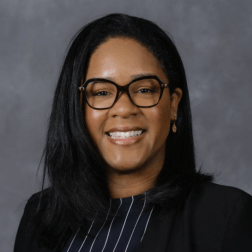
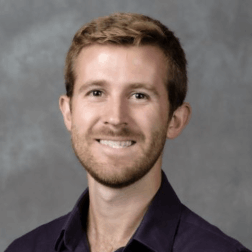
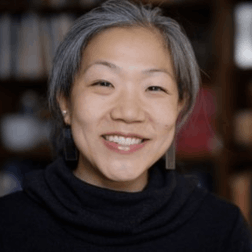
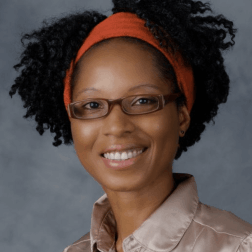
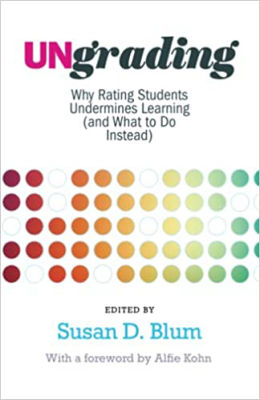
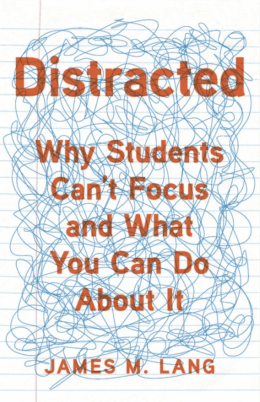
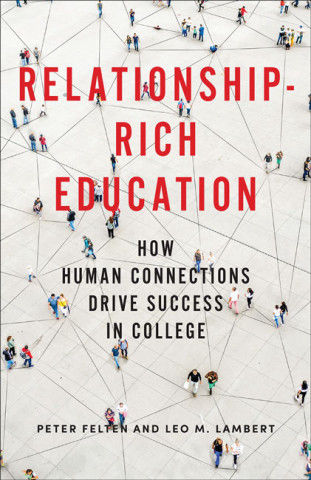
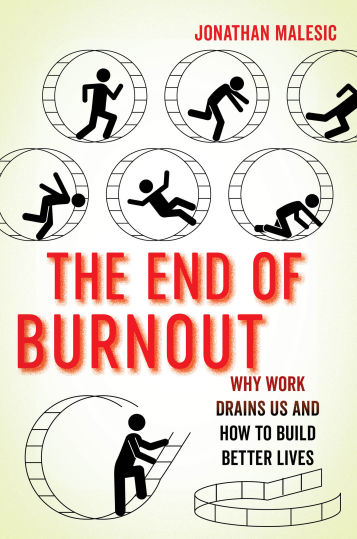
Each semester, the CAT hosts reading discussion groups for faculty and staff on a variety of teaching topics. Groups of 12-15 participants read a book or series of articles provided by the CAT and then meet 2-4 times over the semester for discussion. These reading discussions are very popular and well-attended. 60 unique faculty and staff participated in one or more of the (7) reading groups we facilitated this year.
Summer 2021
Fall 2021
33 participants
Fall 2021
14 participants
Fall 2021
7 participants
SPRING 2022
11 participants
SPRING 2022
4 participants
SPRING 2022
19 participants

The CAT typically offers 15-20 workshops throughout the year for faculty, staff and graduate teaching assistants at the university. Teaching Essentials workshops are designed to provide faculty with opportunities to build or refresh their teaching foundations. The topics focus on essentials for teaching as well as common needs and challenges in the classroom. These workshops strive to turn educational jargon into meaningful teaching practices; provide accessible and practical tools and strategies; and support professional growth and reflection. Each workshop is designed and led by a CAT team member. We also develop customized workshops on request. “From the Forest” PEER Workshops enable WFU and staff faculty to share their Practices, Expertise, Experiences, and Research (PEER) in the classroom with colleagues across the university. We accept proposals from all types of instructors across the university on a rolling basis throughout the year.
Thursday, August 19
Facilitators: Kristi Verbeke & Anita McCauley
In preparation for fall classes, join us for an Inclusive Syllabus Working Session. We will share the Course Design Equity and Inclusion Rubric, developed by Melissa Ko (BIOE Science and Engineering Education Fellow, CTL Lecturer-Consultant) at Stanford University, and invite participants to reflect on their own syllabi with colleagues.
Tuesday, August 31
Presenter: Christina Shane-Simpson
Thursday, September 2
Presenter: Karen Singer-Freeman
Wednesday, September 8
Facilitator: Kristi Verbeke
Do you start the semester with high aspirations for productivity only to find yourself wondering where the time went in December? During this workshop, you’ll spend some time clarifying your semester goals and creating a plan to accomplish them. We’ll also discuss potential areas for support and accountability. Bring your calendars and be prepared to do some strategic thinking and planning to make this semester your best yet!
Wednesday, October 13
Facilitator: Kristi Verbeke
During this session, we’ll discuss format and style expectations and you will begin articulating your ideas and values around teaching. This will assist you in crafting a teaching philosophy that effectively communicates who you are as a teacher.
Friday, October 29
Presenter: Betsy Barre
In this repeat of her 2019 presentation, Executive Director Betsy Barre will summarize the expansive literature on student ratings, highlight points of wide agreement among scholars, and make recommendations for the interpretation of student feedback at the individual, departmental, and institutional levels.
Wednesday, November 10
Facilitator: Kristi Verbeke
Join us to discuss practical and easy-to-implement activities that will help your students integrate their learning across the semester. You will leave this workshop with a plan for making your last day more engaging and meaningful for both you and your students.
Wednesday, February 23
Facilitator: Kristi Verbeke
During this session, we’ll discuss format and style expectations and you will begin articulating your ideas and values around teaching. This will assist you in crafting a teaching philosophy that effectively communicates who you are as a teacher.
Wednesday, March 16
Facilitator: Dan Johnson, Biology
Dan Johnson has written and published >35 teaching cases for a variety of different classes, students, and programs. In this workshop, he will introduce you to cases by briefly outlining how he uses them as a weekly feature of a multi-section course in cell and molecular biology. We’ll spend most of our session working through a meta-case (a case about designing cases). Along the way he will share design and implementation tools he has written or collected while teaching with cases.
Wednesday, March 23
Facilitators: Anita McCauley & Karen Singer-Freeman
To achieve educational equity, we must attend to assessment equity. We will share evidence-based methods of assessment that increase equity in the measurement of learning. We will guide participants through activities in which they will identify potential barriers to equity in their assignments and assessments and create plans for improvement. By the end of the workshop, participants will be prepared to identify elements of inclusive assessment and create assignments that are viewed as valuable by students.
Facilitator: Ashley Heffner, Center for Learning, Access, and Student Success (CLASS)
During this session you will learn about the most common psychiatric disabilities at WFU (e.g., anxiety, depression) and how this may impact a student's ability to learn in your classroom. Accommodations for psychiatric disabilities will be reviewed and you will learn how to share resources with students, such as requesting accommodations with the CLASS office, UCC, and CARE Team resources. You will also have time to share your experiences working with students with psychiatric disabilities and how it may influence course design and pedagogy. Finally, elements of Universal Design will be discussed so that you can accommodate all students with and without approved accommodations.
Wednesday, April 13
Facilitator: Paul Whitener, WakerSpace
If you’ve wanted to learn more about how you might incorporate WakerSpace into your classes but have not had the chance to visit, this is your chance. You will receive the basic safety training required by all makers (which will allow you to use WakerSpace), then take a brief tour of the facility to highlight all of the equipment and supplies available. A short presentation about faculty engagements and projects will follow along with Q&A/ideation time toward the end of the session. In addition to the above, hands-on making time will be provided. Participants will make a ceramic tile coaster to take home.
The CAT also facilitates workshops, presentations, and retreats at the request of specific groups on campus. In the past year, we facilitated workshops for new faculty and graduate students; departmental retreats on curriculum development and assessment; and numerous custom workshops on inclusive teaching, course design, and other pedagogical topics of interest to specific departments.
Friday, July 9
Facilitator: Anita McCauley
We designed and facilitated a day-long retreat for the 8 faculty in the Graduate Program in Sustainability as they continue their work of revising their program into a year-long format compatible with online course offerings. The goals of the retreat were to provide space and opportunity for everyone to engage in meaningful reflection on the Sustainability curriculum; visualize and discuss the ways that the curriculum will provide coherent, sequential learning experiences to guide students toward achievement of the outcomes; and identify needs and opportunities to update or revise existing and/or new courses with the learning outcomes and curriculum of the program.
Monday, July 12
Facilitator: Betsy Barre
The Program for Leadership runs a multi-day institute for faculty who have been recipients of their Course Development grant. The CAT was invited to introduce these participants to the process of backward design as they began to rethink their courses and course outcomes.
Monday, July 26
Facilitator: Betsy Barre
The Office of Online Education facilitated a faculty learning community in the summer of 2021 and invited Betsy to share and interpret the results of the CAT's Student and Faculty Surveys.
Wednesday, August 11
Facilitators: Betsy Barre, Kristi Verbeke, and Anita McCauley
This workshop was given during the Provost’s Office New Faculty Orientation in August 2021. The goal was to help the 72 new tenure-track, teaching-track, and visiting faculty members in attendance prepare for teaching WFU students by focusing on their syllabi and the first day of class.
Tuesday, August 17
Facilitators: Kristi Verbeke & Anita McCauley
We provided an intensive 1.5 day boot camp for 38 new incoming graduate teaching assistants in Mathematics and Statistics, Chemistry, Health and Exercise Science, Computer Science, Communications, French Studies, Middle East and South Asian Studies, and Psychology as they prepared to serve as teaching assistants or tutors. During this bootcamp, the students participated in 3 half-day Teaching Starter Kit sessions: What Have I Gotten Myself Into; Interacting with Students; and Hands-On Practice.
Tuesday, September 21
Facilitator: Kristi Verbeke
The Wake Forest Postdoc Association invited the CAT to share more about the programs and services available to postdocs.
Tuesday, September 28
Facilitator: Kristi Verbeke
The Program for Leadership and character requested a custom version of our teaching philosophy workshop for their postdoctoral fellows. As usual, we discussed format and style expectations and participants began articulating their ideas and values around teaching.
Friday, January 7
Facilitators: Betsy Barre, Anita McCauley, Kristi Verbeke, & Karen Singer-Freeman
This was a half-day workshop series requested by the Chemistry Department to support elements of their departmental Diversity Action Plan (DAP). These workshops were part of a Chemistry department retreat and were attended by 22 Chemistry faculty. They were designed in collaboration with Chemistry department faculty leading DAP efforts; the content of the workshops was integrated with ongoing learning analytics efforts by the department; and faculty were provided autonomy to select from topic areas to focus their efforts for the coming semester.
Tuesday, March 22
Facilitators: Karen Singer-Freeman & Kristi Verbeke
This was the first of two independent workshops requested by the Law School to support their efforts to create inclusive learning experiences for all their students. The workshops were part of the Law School’s TRS lunchtime brown-bag series and were attended by approximately 20 Law faculty.
Thursday, March 31
Panelist: Kristi Verbeke
The Women in Medicine & Science Group of the Wake Forest School of Medicine invited the CAT to contribute to a professional development panel on "Institutional support structures for biomedical education."
Tuesday, April 5
Facilitators: Anita McCauley & Karen Singer-Freeman
The second of two independent workshops requested by the Law School to support their efforts to create inclusive learning experiences for all their students. The workshops were part of the Law School’s TRS lunchtime brown-bag series and were attended by approximately 20 Law faculty.
Wednesday, April 27
Facilitator: Betsy Barre
The Office of the Dean of the College hosts New Faculty in the Forest Workshops each month. The CAT is invited to close the series with a debrief about the year and a celebratory reception.
Tuesday, May 3
Facilitators: Betsy Barre & Ben Coates
Are you interested in teaching FYS for the first time? Or incorporating some new ideas into your current FYS courses? This information session, hosted by The Committee on First-Year Seminars and the Center for Advancement of Teaching, will include an introduction to first-year pedagogical techniques, successful approaches from current FYS instructors, and an opportunity for Q&A about applying to teach FYS courses.
Thursday, May 5
Facilitator: Anita McCauley
We designed and facilitated a day-long retreat for the Art History faculty as they began the process of examining their curriculum and considering opportunities to improve student learning experiences in their program. The goals of the retreat were to identify opportunities to make the curriculum more flexible and more aligned with current departmental values and external program review recommendations; to consider ways to revise the 100-level learning experience to better serve majors, attract potential students, and align with general education outcomes; and to reflect on the alignment of current program student learning outcomes with regards to departmental core values, ideal student attributes, and current trends in art history. As a continuation of this work, we will be doing a second session with both Art History and a session with Studio Art in August 2022.
The Thank a Teacher and Thank a Colleague programs are initiatives designed to acknowledge hardworking faculty and staff at WFU. Thank a Teacher is a forum for students to acknowledge teachers (both WFU faculty and staff) who have made a difference in their education. Thank a Colleague encourages faculty and staff to recognize their colleagues’ efforts and let them know they are making a difference. Faculty, staff, and students fill out a form and the CAT processes and sends these notes of gratitude at the end of each semester.
FALL 2021
SPRING 2022
FALL 2021
SPRING 2022

AI Website Generator